
“I realized that anything I put in the bag stayed exactly the way it was when I put it in. That was when I knew this wasn’t just a convenience product. It was protection.”
Linda Kennedy
Engineering a Business That Holds Under Pressure
When Linda Kennedy first set out to design a waterproof storage solution, she was not thinking about retail shelves, military procurement, or large-scale distribution. She was thinking about theft, water, and frustration. As a diver traveling extensively, Kennedy had watched passports and cash vanish from beaches and boats, and personal belongings fall victim to saltwater and humidity. The problem was persistent and personal, and she decided to solve it herself.
“I wanted something I could dive with, something that would go as deep as I went, stay down as long as I stayed down, and never let a drop of water in,” Kennedy said.
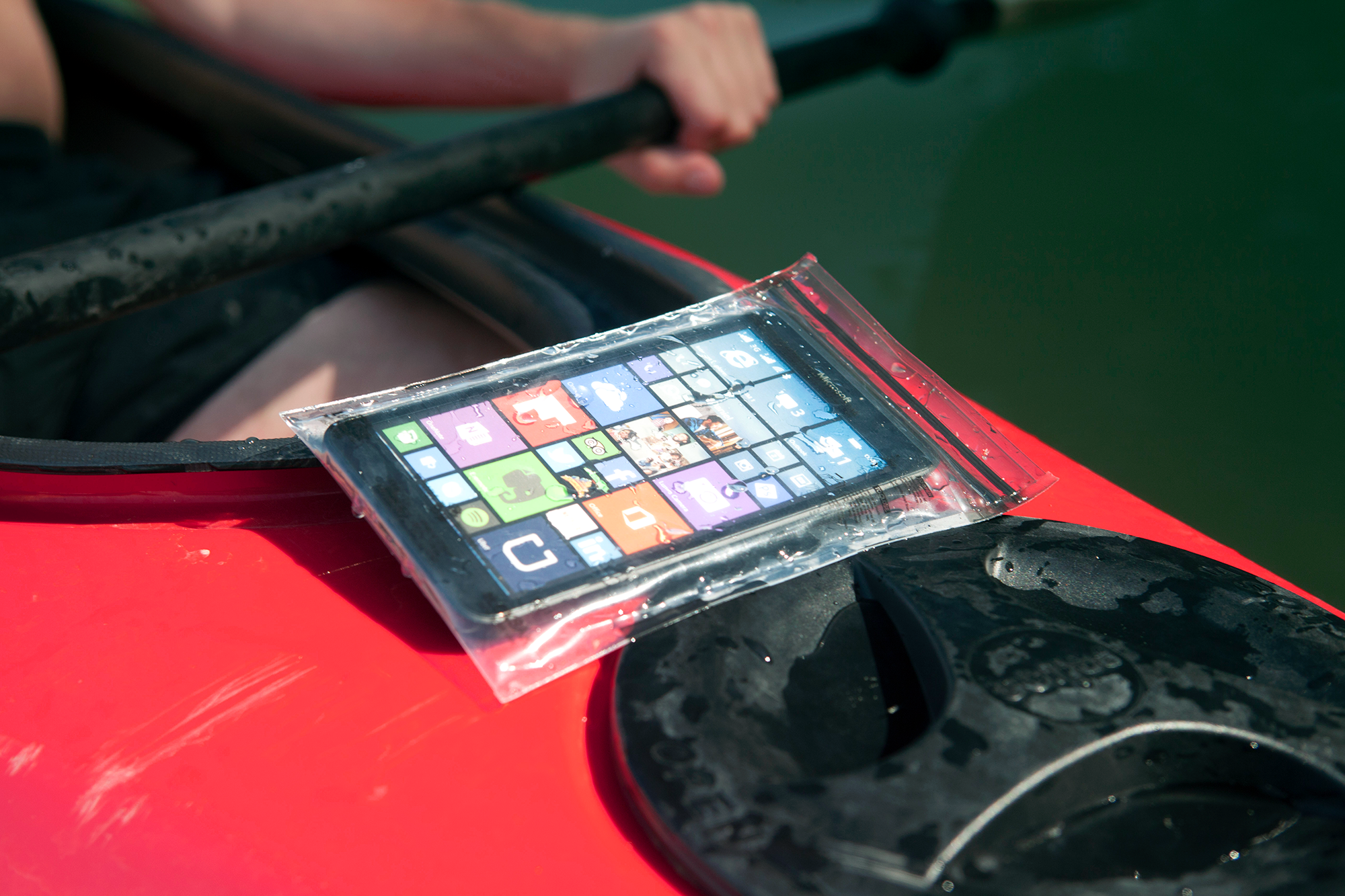
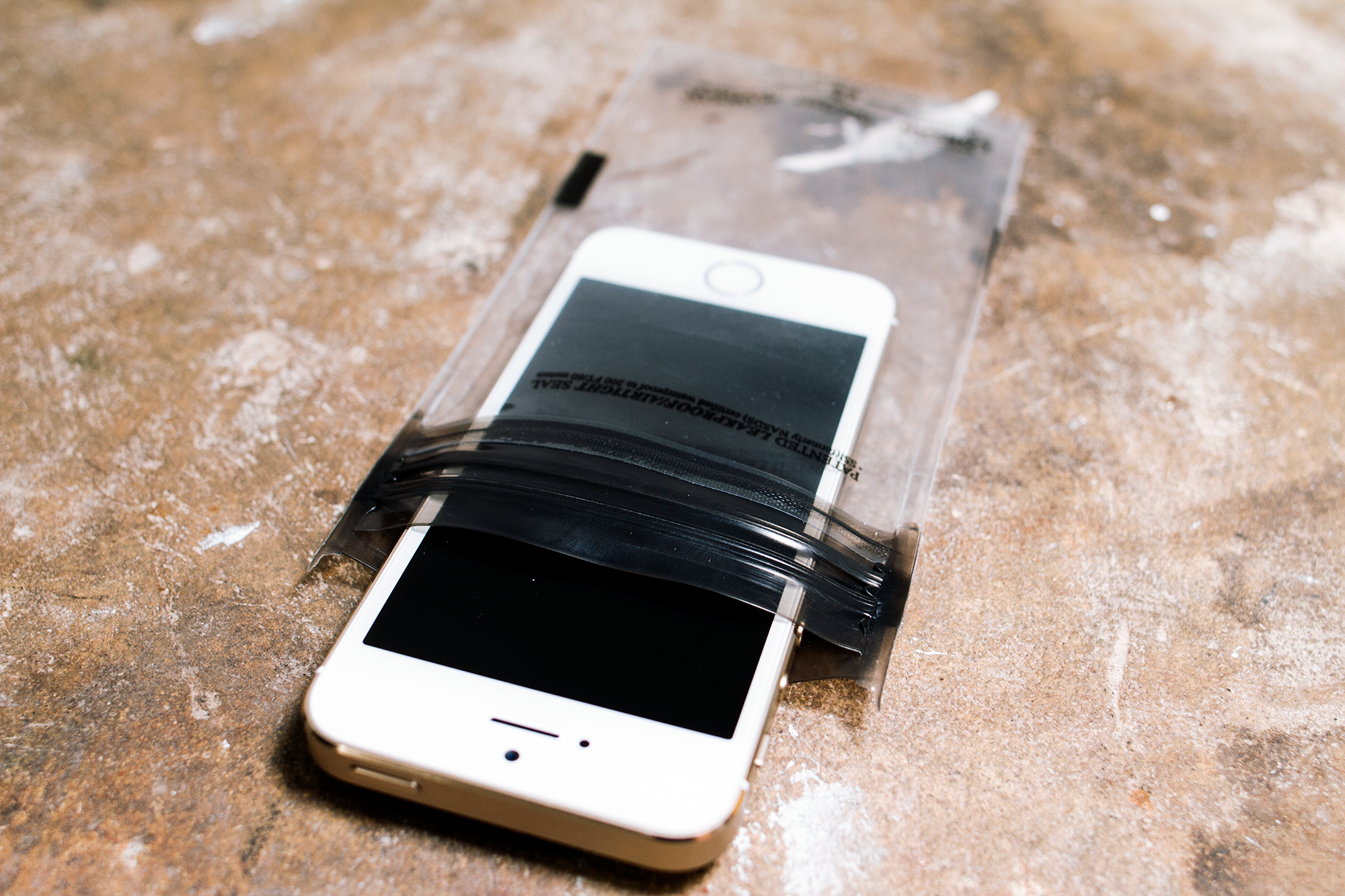
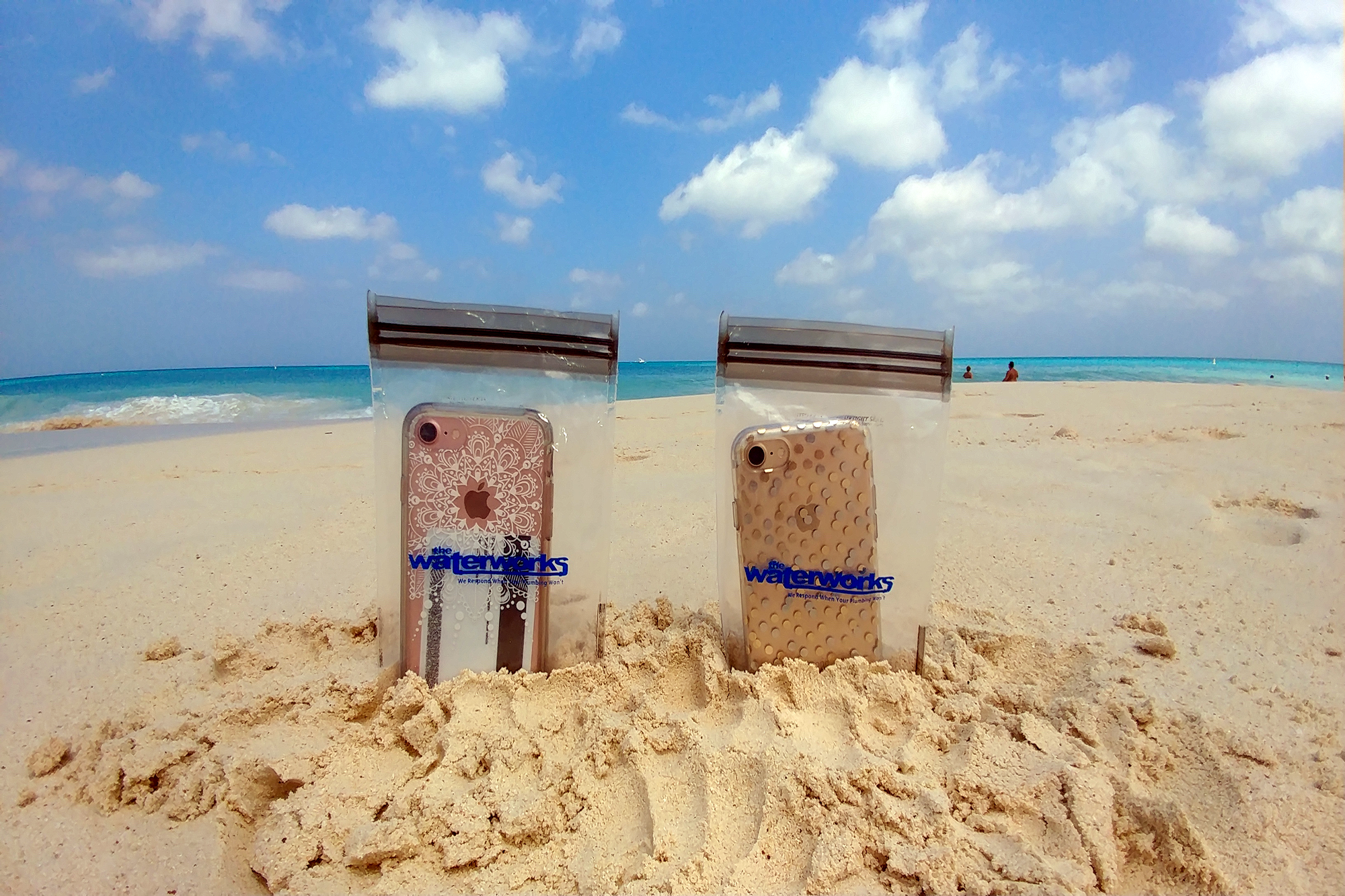
That requirement became the foundation of Loksak, a Naples based company that manufactures hermetically sealed storage bags capable of protecting contents from water, air, dust, humidity, and odor.
What began as a niche solution for divers gradually expanded into a product line trusted by outdoor enthusiasts, medical providers, emergency responders, and government agencies across the United States.
The early days of the business were marked by personal risk and relentless experimentation. Kennedy launched Loksak later in life, financing early development entirely on credit cards and handling nearly every aspect of the operation herself. She tested prototypes in rivers, lakes, and pools. She sealed electronics, documents, clothing, and medical supplies inside the bags and left them submerged for extended periods.
“I realized that anything I put in the bag stayed exactly the way it was when I put it in,” she said. “That was when I knew this wasn’t just a convenience product. It was protection.”
Selling the Invisible
Selling protection proved difficult at first. The bags did not look revolutionary. There were no moving parts, no electronics, no visible innovation. Customers needed proof.
“I was selling the invisible,” Kennedy said. “People would look at it and say, ‘That’s just a plastic bag.’ They didn’t believe something that simple could actually work.”
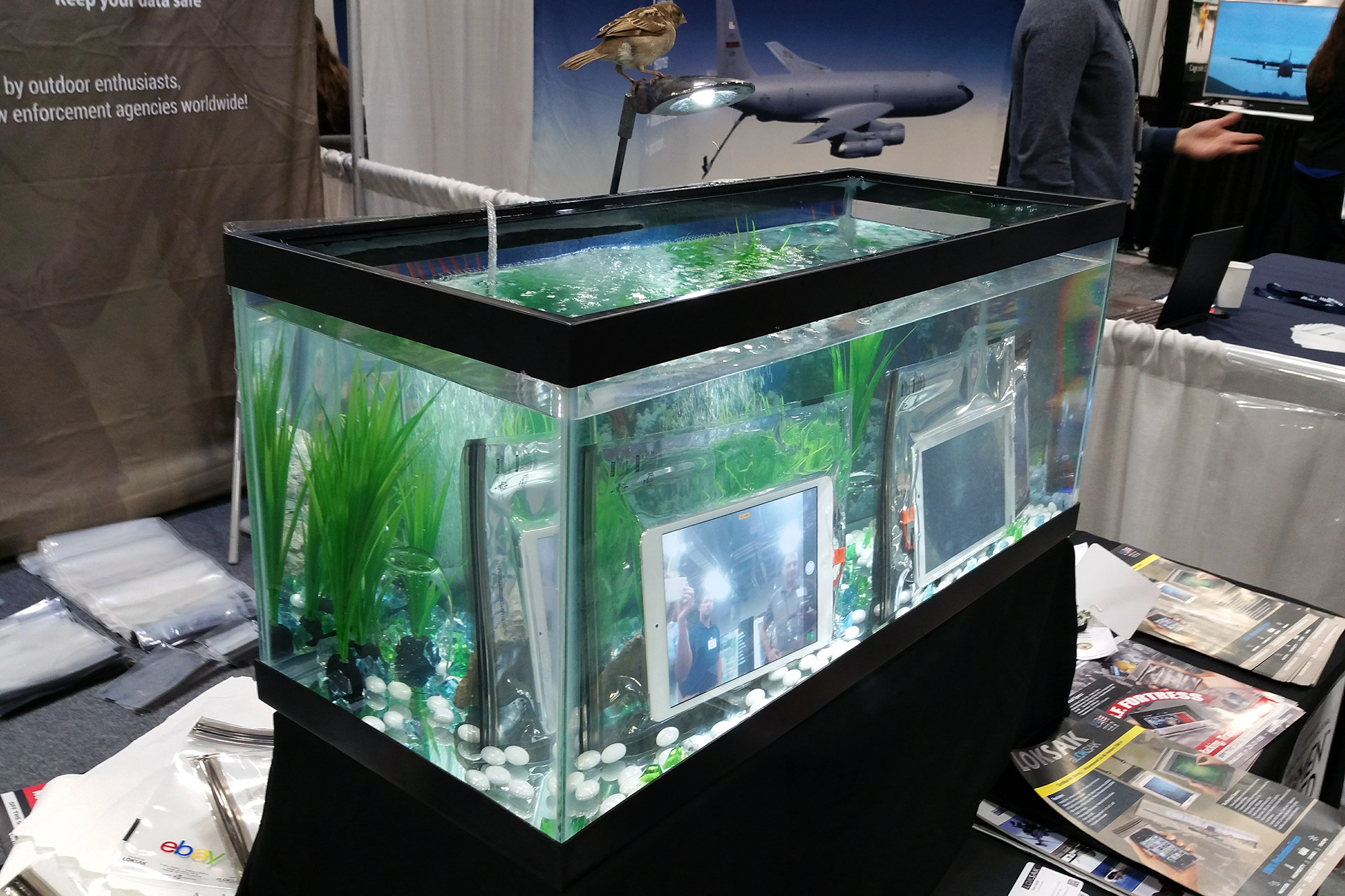
Instead of relying on explanation, Kennedy relied on demonstration. She began giving samples away at trade shows and events, letting people test the bags themselves. Slowly, word spread. Customers returned with stories of phones saved from floods, medical supplies kept sterile in emergencies, and sensitive equipment protected in harsh conditions.
Recognition followed usage rather than marketing. Outdoor publications began taking notice. Specialty retailers followed. Over time, institutional buyers expressed interest in applications beyond recreation.
One of the most important business decisions came when Kennedy separated the bags from wearable accessories and sold them as standalone products. The change clarified the value proposition and allowed customers to focus on the core function of the product.
“Once people understood the bag itself, everything changed,” she said.
Function Before Form
Sales increased, and so did the range of applications. Loksak expanded into odor barrier technology, radio frequency shielding, and containment solutions designed to protect sensitive materials. These products were developed in response to real world needs rather than speculative trends.
“Our seals are hermetic and resealable,” Kennedy said. “That combination is extremely difficult to replicate, and it’s why these bags are trusted in environments where failure is not an option.”
As the company grew, complexity followed. Loksak committed to domestic manufacturing, sourcing film, packaging, and assembly entirely within the United States. That decision aligned with Kennedy’s values but introduced operational challenges related to cost control, inventory management, and production planning.
Growth also brought exposure to new markets that required careful navigation, including medical supply chains, emergency preparedness, and government procurement. Each sector carried its own standards, timelines, and expectations.
Guidance That Holds
That is where the Florida Small Business Development Center became a steady and essential partner.
Kennedy’s relationship with the SBDC spans decades, but its role became especially critical during periods of disruption. When large scale retail events collapsed and later when the COVID nineteen pandemic disrupted consumer demand entirely, the SBDC helped Loksak stabilize operations and identify paths forward.
“When everything shut down, I needed inventory just to survive,” Kennedy said. “The SBA loan helped me buy what I needed so I could keep fulfilling critical orders. Without that and the SBDC, I would not have stayed in business.”
The SBDC also provided guidance on financial planning, cash flow forecasting, and inventory strategy during periods of uncertainty. Advisors helped Kennedy evaluate which opportunities aligned with the company’s capacity and which posed undue risk.
More recently, President Matt Fangman has taken a leading role in strengthening the company’s internal structure. Working closely with SBDC advisors, Fangman has focused on pricing strategy, working capital planning, and long term sustainability.
“Connecting with the SBDC opened my eyes to how many resources actually exist for small businesses,” Fangman said. “It is a whole ecosystem, and once you understand how to work within it, you stop making decisions in isolation.”
Trust Under Pressure
Through the SBDC, Loksak has accessed support related to domestic market expansion, compliance considerations, and government contracting readiness. Advisors assisted with understanding procurement pathways, refining documentation, and preparing the business to respond effectively to large scale orders without overextending resources.
“One of the most valuable things was having someone to sanity check decisions,” Kennedy said. “When you are running a business this lean, you need perspective. The SBDC gave us that.”
Today, Loksak serves a customer base that spans consumers, healthcare providers, emergency responders, and federal agencies. Its products are used by organizations that require consistent performance under pressure, including law enforcement and disaster response teams.
“The government doesn’t buy things unless they work,” Kennedy said. “If these bags failed even once, that would be the end. That trust means everything.”
Despite its reach, Loksak remains grounded in the realities of small business ownership. Kennedy speaks candidly about burnout, financial stress, and the emotional toll of building something from nothing.
“There were times I wanted to shut it down,” she said. “But then I would think about the people relying on these products, and I couldn’t walk away.”
That persistence is now paired with structure. Fangman’s leadership has brought operational clarity, data driven decision making, and long-term planning to the business. Together, Kennedy and Fangman represent a balance between innovation and discipline.
“I’m the one who never stops pushing,” Kennedy said. “Matt is the one who makes sure the business can actually support that.”
Looking ahead, Loksak is preparing for continued domestic growth, with new retail opportunities, expanded government relationships, and increased demand for specialized containment solutions. Working capital planning is underway with guidance from the SBDC to ensure the company can scale responsibly.
“We know the demand is there,” Fangman said. “The challenge is growing in a way that protects the business we’ve built.”
For Kennedy, success is measured less by scale than by durability.
“I never imagined this would become what it is,” she said. “Sometimes I still can’t believe it. But I know one thing for sure. I would not be here without the help we received along the way.”
From a single idea born out of necessity to a nationally trusted product line, Loksak’s story is one of resilience, innovation, and support. With guidance from the Florida SBDC and a refusal to accept failure as an outcome, the company continues to prove that even the simplest ideas can hold up under extraordinary pressure.